Juventus FC’s Global Fanbase: A Worldwide Community
Supporters
Juventus FC’s Global Fanbase: A Worldwide Community
Juventus is a club with a very local identity and a very non-local audience. That combination is part of the fun: supporters can be in Turin, London, Lagos, New York, or Kuala Lumpur, and still argue about the same starting XI like they all share the same couch.
For a quick club backdrop, Britannica’s Juventus profile gives a tidy overview of the team’s history, while the Juventus FC page on Wikipedia is a useful map for names, eras, and major milestones.
If you want the broader site map, start with the home page or browse the blog index.
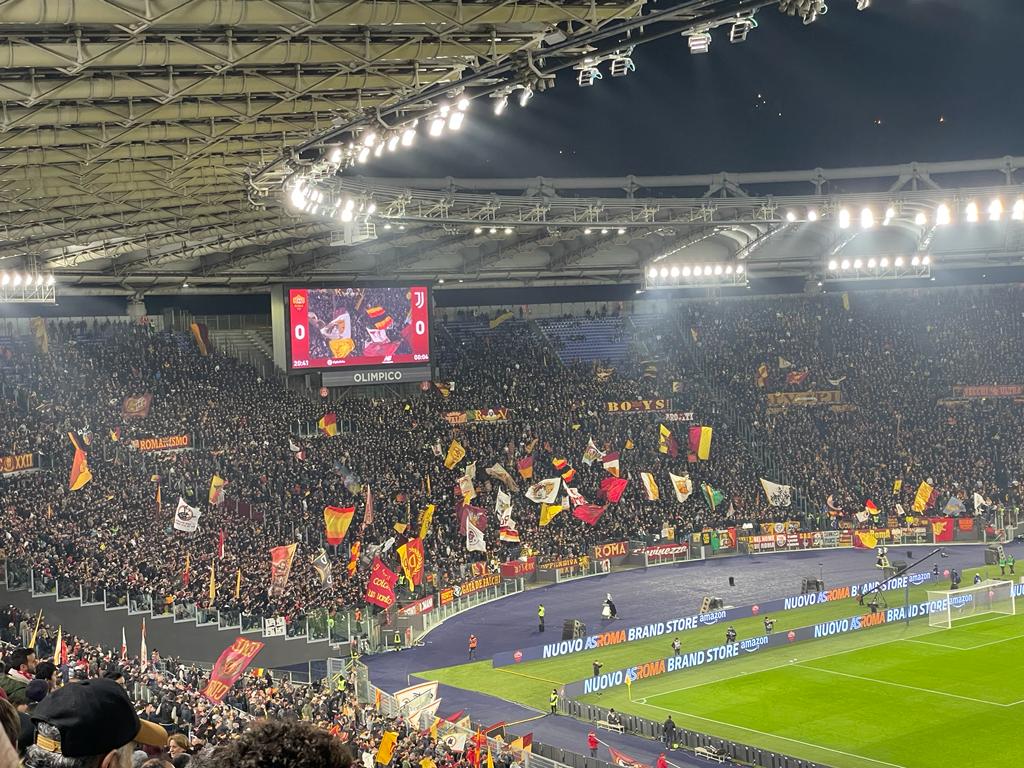
Why Juventus travels well
Some clubs build fandom around one city, one language, or one particular generation. Juventus has managed something broader. Its long run of domestic success, regular European exposure, and steady stream of famous players made it easy for new supporters to join from far outside Italy.
That does not mean every fan follows the club the same way. Some people grew up with family ties to Turin. Others found Juventus through a player they liked, a memorable Champions League run, or a late-night match that somehow turned into a weekly habit. Football does that: it sneaks into your schedule and starts acting like it belongs there.
Fan clubs around the world
Global support usually shows up in a few familiar forms:
| Where | What it looks like |
|---|---|
| Italy | Local traditions, family viewing, and the kind of matchday talk that starts days before kickoff. |
| Europe | Away travel, pub screenings, and the quick shift from polite conversation to tactical debate. |
| North and South America | Early-morning streams, community watch parties, and group chats that are somehow active before sunrise. |
| Asia, the Middle East, and beyond | Late-night viewing, supporter meetups, and social posts that keep the club present between matches. |
For readers who like a wider continental frame, the UEFA Juventus club page shows how often the team is measured against Europe’s biggest stages.
Cultural exchanges that make fandom feel local
One of the best parts of a global fanbase is the way it picks up local flavors. A Juventus watch party in one country might include espresso and pastries. Another might include street food, long-distance video calls, and one friend insisting that the buffet is “basically part of the pre-match analysis.”
Supporter clubs also do practical work. They coordinate meetups, collect membership details, share travel notes, and keep people connected when the schedule is not kind. For that kind of admin, a web app generator can be a practical way to prototype a simple member hub, event signup flow, or matchday tracker before anyone builds a bigger system.
That is the quiet truth behind global fandom: the emotions are dramatic, but the logistics are usually ordinary. Someone still has to send the group message, confirm the venue, and remind everybody what time kickoff actually is.
The impact of international matches
International fixtures and Champions League nights do more than fill the calendar. They give distant supporters a shared clock. When Juventus plays a big match, the club stops feeling like a highlight package and starts feeling immediate again.
Those nights matter because they create repeatable rituals across time zones. A supporter in one city may be watching alone on a sofa, while another is in a packed bar, and someone else is reading live updates on the train. Different setting, same pulse. The club becomes a common language, even when the matchday weather, food, and background noise are completely different.
That is why the fanbase stays strong: international games keep refreshing the bond between the team and its supporters, so the relationship does not depend on geography alone.
Conclusion
Juventus’ global fanbase is not just a statistic. It is a network of routines, friendships, and repeated emotional damage delivered by referees, injuries, and the occasional last-minute equalizer. The point is that supporters keep showing up anyway, which is usually how a real football community proves itself.
If you want to keep exploring the club from another angle, the home page gathers the main editorial paths, and the blog index is where new posts and related reading appear.