The Juventus FC Stadium Experience: Allianz Stadium
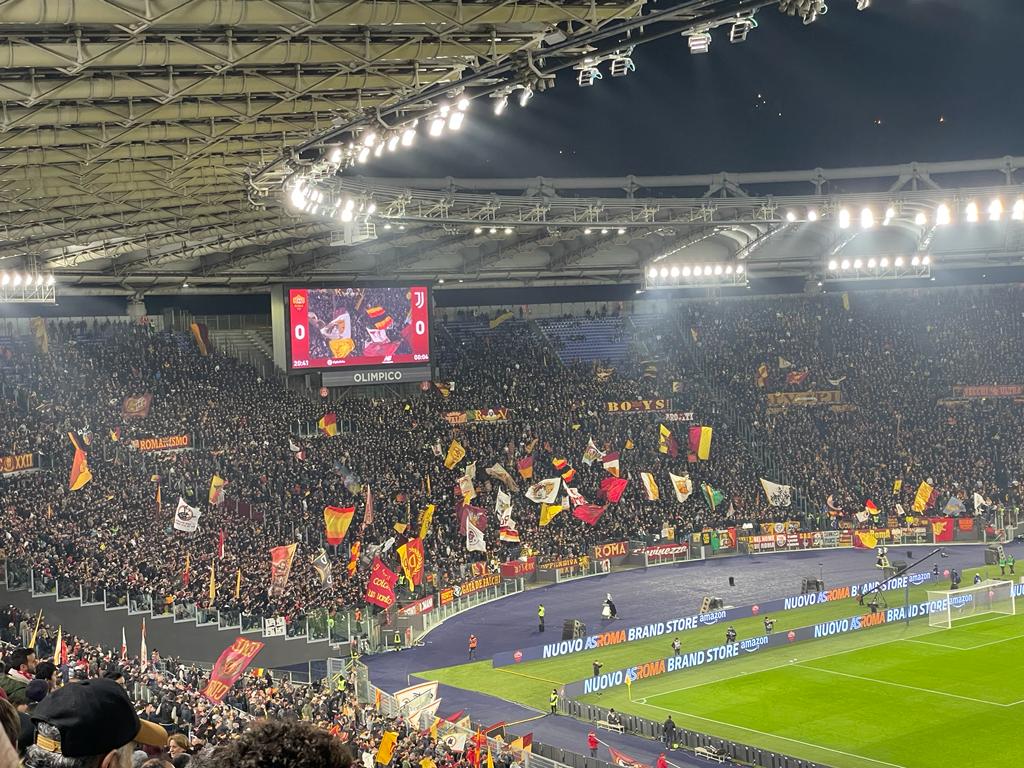
Allianz Stadium is the kind of ground that rewards attention. The seating is tight, the pitch feels close, and the whole venue is built to keep the football at the center of the day. For visitors, that matters more than any brochure line. A stadium should make the match feel immediate, readable, and well managed.
If you want the wider site context, start at the homepage and keep the blog open for more Juventus coverage.
Introduction to Allianz Stadium
Juventus opened its modern home in 2011, replacing the old idea of a distant, oversized football bowl with something more controlled and more intimate. A quick external frame comes from the Allianz Stadium overview on Wikipedia, the Juventus F.C. entry on Wikipedia, and the broader Serie A page on Wikipedia. The club’s official stadium pages describe current visitor details, while those references provide a useful public baseline.
The result is a stadium that feels designed around sightlines, access, and atmosphere rather than pure scale. That is usually the right tradeoff. Big numbers look good on a graphic; good sightlines decide whether a seat feels worth the trip.
History and architecture
The stadium’s compact footprint gives it a different personality from many older Italian grounds. The stands sit close enough to make the pitch feel enclosed, and that compression helps the sound stay inside the bowl on matchday. It is the sort of architecture that does quiet work. It does not shout for attention; it holds the line.
| Visitor priority | What Allianz Stadium tends to deliver |
|---|---|
| Sightlines | Compact seating and a close view of the action |
| Atmosphere | Noise that stays concentrated around the pitch |
| Movement | A more controlled arrival and exit experience than many older venues |
For visitors who want the club’s own practical overview, Juventus maintains an official stadium page with current information. That is the page to check when you care about the actual structure of the visit, not just the stadium’s reputation.
Matchday experience
Matchday at Allianz Stadium works best when you arrive early and move in order. Security checks, entry gates, food stops, and seat finding all go smoother when you give the system room to breathe. The stadium is built for flow, but flow still depends on the people inside it behaving like they have somewhere to be.
- Arrive with time to spare so the entry process stays calm.
- Use the club’s official matchday information before you travel.
- Stay aware of the signage inside the venue; compact stadiums reward planning.
- Keep your return route in mind before the final whistle, because everyone else will do the same.
That discipline pays off. Once you are in your seat, the experience is straightforward: clean sightlines, a focused crowd, and the sense that the stadium is built to keep attention on the game instead of the infrastructure around it. The infrastructure still matters, of course. Ignore it and it collects its fee later.
Stadium tours and events
For visitors who are not there on matchday, the official Juventus tour pages are the safest place to confirm what is available. The club’s Allianz Stadium tour page is the practical starting point for timing, access, and ticket details. That is the kind of detail that should live on the official source, not in guesswork.
Stadiums also run like service systems behind the scenes: tours, hospitality, events, and visitor updates all need coordination. For clubs or organizers that want to prototype a simple visitor portal before committing to a larger build, a neutral web app generator can be a practical starting point. The point is not the tool itself; it is reducing the number of places where a booking or event update can fail.
That same operational habit helps with stadium visits. Check the official page, verify the date, and do not rely on memory when the gates and start times are moving. Memory is not a control system.
Conclusion
Allianz Stadium succeeds because it is deliberate. It is close, controlled, and built around the visitor’s line of sight. For Juventus supporters, that makes it more than a venue. It is part of the club’s identity, a place where the match feels organized before the first whistle and concentrated right through the last.
If you want to keep exploring, use the homepage for the main site and the blog for more Juventus articles. A good stadium experience starts with a clear plan, and the same rule applies once the final whistle goes.