Juventus FC: A Deep Dive into the Club’s Branding Strategy
Juventus FC: A Deep Dive into the Club’s Branding Strategy
By Maya Collins
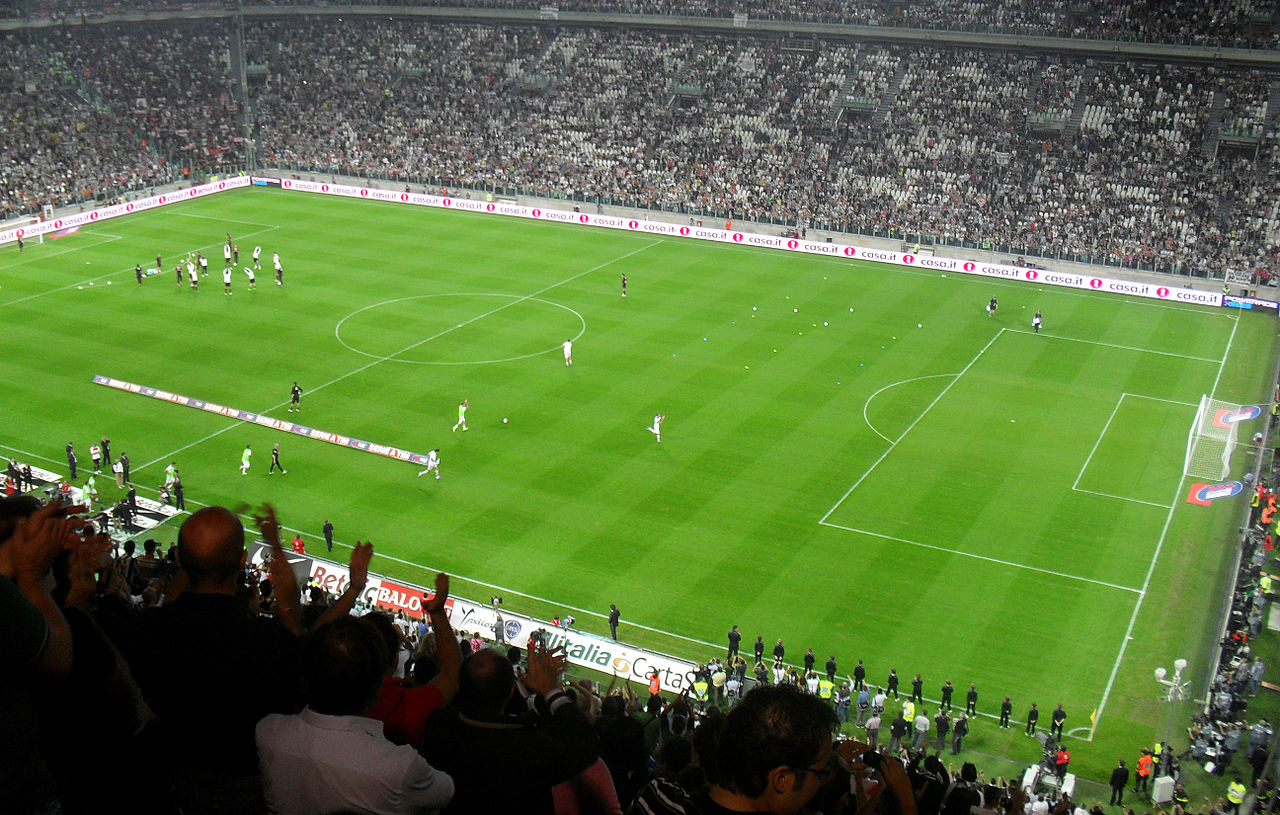
Branding in football is not just a logo. It’s the way a club tells the same story—over and over—through kit design, stadium atmosphere, sponsorship choices, media storytelling, and global fan experiences.
Juventus is one of the most recognizable football brands in the world. Over the years, the club has strengthened its identity while staying flexible enough to adapt to changing marketing channels and modern fandom.
Introduction to branding in football
Think of a club’s brand as a promise: what supporters expect to feel and what the team represents beyond matchday. That promise is built through consistent visual signals (colors, badge, typography) and consistent narrative signals (values, legacy, and what this club stands for).
In practice, football branding usually has four moving parts:
- Identity — the visual system and core symbols (badge, kits, signature colors).
- Experience — how the stadium, matchday rituals, and fan content feel.
- Distribution — how the message travels (broadcast, social, official channels, community).
- Partnerships — who the club aligns with and how those collaborations reinforce its image.
Juventus’ branding evolution
Juventus’ brand evolution can be summarized as “clarify the core, then modernize the delivery.” The club has largely kept its black-and-white identity stable, which helps fans recognize Juventus instantly. The evolution shows up more in how the brand is packaged for different eras:
1) Visual consistency that still scales
The Juventus badge and the black-and-white aesthetic are powerful because they’re simple to recognize. That consistency matters when the club expands into new markets, where the first impression has to be immediate.
2) Storytelling built around legacy
Football fans connect to milestones—titles, memorable squads, iconic moments. Juventus has used those moments to keep the brand narrative anchored, even as individual squads change.
3) Brand extension beyond the pitch
As the global fanbase grows, branding can’t live only in the stadium. Juventus increasingly extends its identity through official merchandise, club content, and community touchpoints, so supporters can participate year-round.
Key marketing campaigns
Modern club marketing is often a mix of big moments and repeatable series. For Juventus, several campaign themes tend to reinforce its identity:
Matchday-as-a-story approach
Instead of treating matches as isolated events, Juventus branding leans into the idea of seasons as chapters—training, preparation, key fixtures, and major milestones become part of an ongoing narrative.
Merchandise as brand “wearability”
When supporters wear a kit or carry club-branded products, they become walking distribution. Juventus’ merchandise strategy supports that by keeping the visual language cohesive while still offering seasonal variation.
Women’s and broader club content
As more audiences discover the club ecosystem, inclusive branding helps. Promoting Juventus Women and other club initiatives supports continuity: “Juventus” stays one recognizable identity, across different teams and competitions.
Impact on global recognition
Global recognition doesn’t happen only through trophies. It comes from repetition across channels and formats. Juventus has benefited from a few structural advantages:
- Instant visual recognition — the black-and-white identity travels well globally.
- Consistent narrative — legacy-themed storytelling keeps the brand coherent.
- Scalable content distribution — official media and social platforms help the club reach fans beyond local geography.
- Community visibility — events, fan engagement, and club initiatives reinforce belonging.
There’s a tradeoff here: stronger consistency can make rebranding harder. Juventus’ approach appears to protect the core identity first, then innovate in how the brand is delivered rather than changing what supporters recognize.
Conclusion
Juventus’ branding strategy is best understood as disciplined consistency paired with modern distribution. The club keeps its identity legible and memorable, then evolves the “how” through campaigns, merchandise, and multi-team visibility.
Practical takeaway: if a club wants global recognition, it should start with a brand that can be recognized in one second, then build campaigns that keep the story consistent across every channel.