The Art of Juventus FC Merchandise: A Collector’s Guide
Juventus merchandise is not just shopping; it is a small archive you can hold in your hands. If you have ever asked yourself whether a shirt is authentic, which season a scarf belongs to, or how to tell a real collector piece from a tidy replica, this guide is for you. I have seen enough club memorabilia to know the same questions keep coming back: What is worth buying? What is worth skipping? And what should be documented before it disappears into a drawer?
That matters because Juventus memorabilia sits at the point where club history, design, and memory meet. The club’s own Juventus Museum treats shirts and artifacts as part of the story, not just merchandise. And if you want a quick primer on the club itself, Juventus FC and the wider history of the football kit are useful starting points. The question is not whether collecting matters. The question is how to do it well without paying museum money for market-stall certainty.
In this guide, I will walk through the main categories of Juventus merchandise, the details that separate a smart purchase from a headache, and the places where authentic items are most likely to turn up. If you want more Juventus reading after this, the home page gathers the main club coverage, and the blog archive is where the newer guides live.
What Counts as Juventus Merchandise?
Before a collection gets interesting, it has to get precise. A lot of people use the word “merchandise” to mean everything from a retail jersey to a match-worn shirt with a signed certificate. Those are very different purchases. Here is the vocabulary I use when I look at a piece:
| Term | What it means | Why it matters |
|---|---|---|
| Replica shirt | A retail shirt sold to fans, usually made for regular wear. | Great for everyday collecting, but not rare. |
| Match-issued shirt | A shirt prepared for a player, even if it was not worn in the match. | More collectible than retail gear, but authenticity matters. |
| Match-worn shirt | A shirt actually used in a match. | Usually the most desirable type if the provenance is solid. |
| Provenance | The documented ownership trail for the item. | It is the difference between “interesting” and “trust me, bro.” |
| COA | Certificate of authenticity. | Useful, but only if the issuer is credible and the details match the item. |
When a collector uses these terms carefully, the market becomes easier to read. A shirt from a title season is not automatically valuable. A signed item is not automatically real. And a rare design is not automatically worth the asking price. The details do the real work.
Popular Juventus Items and Why Collectors Chase Them
Juventus collections usually grow around a few familiar categories. Some pieces are prized because they are rare. Others matter because they mark a particular era, player, or victory. I like to think of them as different kinds of memory.
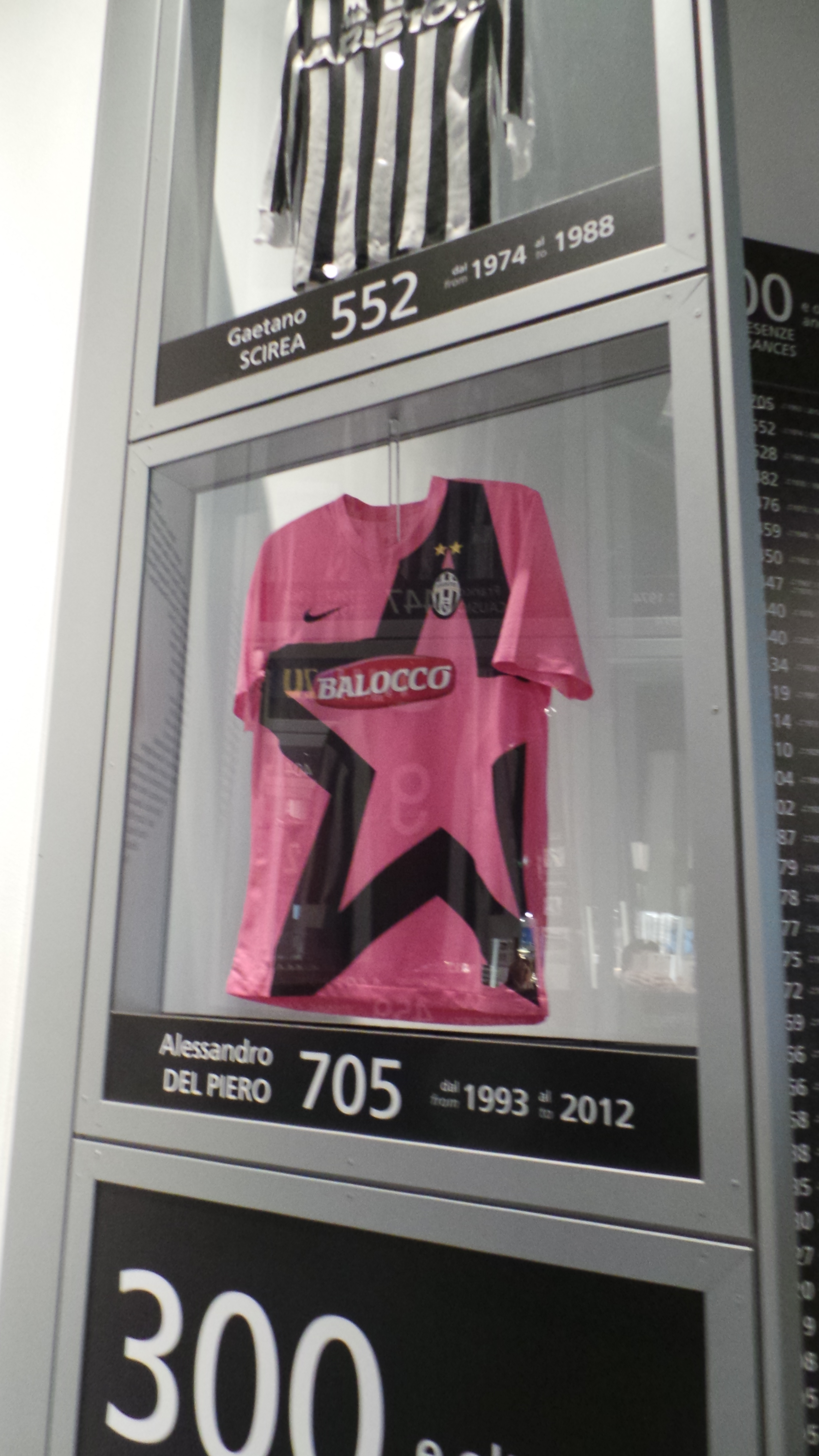
| Item | Why collectors want it | What to inspect |
|---|---|---|
| Home shirts | They are the clearest expression of the club’s identity and change season by season. | Sponsor, manufacturer, size label, stitching, and season-correct details. |
| Away and third shirts | Often more unusual in color and design, which makes them easier to date and discuss. | Badge placement, fabric quality, and whether the design matches the correct campaign. |
| Training wear | Training tops, jackets, and track pants can be cheaper entry points with strong visual appeal. | Club branding, wash wear, and whether the garment is retail or staff-issued. |
| Scarves | Scarves are compact, affordable, and full of matchday atmosphere. | Stitch quality, event text, and whether the item is a standard retail scarf or a special issue. |
| Match programmes and tickets | Paper items capture the exact day of a game and are easy to store in volume. | Print quality, date, venue, and whether the condition is good enough to keep long term. |
| Signed items | Autographs can lift an ordinary piece into a personal memento. | Signature placement, photo evidence, and a believable trail of ownership. |
| Badges, pins, and keyrings | Small collectibles are easier to display and can form a focused sub-collection. | Finish, back stamping, and whether the item belongs to a known release. |
| Books and magazines | Printed memorabilia gives context to the era around a shirt or trophy season. | Edition date, cover condition, and any club-specific inserts or features. |
If you are new to collecting, start with one lane. I usually suggest either shirts or scarves first. That keeps the budget sensible and the learning curve manageable. You do not need ten categories to have a good collection. You need a story that makes sense.
How I Judge a Piece Before I Buy It
Every collector develops a method. Mine is simple: I try to separate emotion from evidence. The emotion is allowed. It just does not get to sign the invoice.
1. Check the era
Start with the season or range of seasons. Juventus shirts often changed through sponsor deals, collar styles, badge sizes, and fabric cuts. If the era does not line up, the item needs a second look. A quick search against club history can help, and a reference like the club history entry is a useful memory aid when you are trying to place a design.
2. Inspect the details
Look at stitching, manufacturer tags, crest placement, and the texture of the fabric. Replica shirts usually wear their retail identity in obvious ways. Match-issued or match-worn items should look consistent with official photos from the period. A tiny badge shift is sometimes enough to tell you that something is not what the seller says it is.
3. Ask for provenance
This is the dull part, which means it is the part that saves money. Ask where the item came from, who owned it before, and whether there are supporting photos, receipts, or letters. If the seller gets vague, assume the record is weak. Authentic collections are built on documentation, not confidence alone.
4. Judge condition honestly
Condition affects value, but not every flaw is fatal. A slight mark on a vintage shirt may be acceptable. A damaged crest, weak stitching, or heavy fading may not be. I try to think in terms of “acceptable for display” versus “worth premium money.” That keeps the decision practical.
5. Think about the long game
A collector does not just buy an item. A collector also decides where it lives, how it will be stored, and how it will be remembered. Once a collection starts to grow, the records matter almost as much as the items. If a spreadsheet becomes too basic, some collectors may eventually want to connect AI to existing systems so a simple inventory or photo log becomes easier to maintain. That is not a requirement. It is just a sensible next step if the collection turns into an archive.
Tips for Building a Better Collection
Good collecting is mostly disciplined buying. It is a little less glamorous than people hope, but a lot more satisfying over time. Here is the practical version.
- Pick a focus. One shirt era, one player, or one item type is enough to start.
- Set a ceiling before you browse. The best way to protect a budget is to decide it early.
- Document each purchase. Keep the seller, date, price, size, and condition in one place.
- Store items correctly. Use acid-free sleeves, garment bags, or boxes where appropriate.
- Photograph items immediately. Pictures help if you later resell, insure, or compare pieces.
- Buy fewer, better items. One strong piece is usually better than three uncertain ones.
There is another habit that helps more than collectors expect: write a one-line note about why you bought the item. “2016-17 shirt because I remember the title run.” “Scarf because it came from an away trip.” “Programme because the lineup matters.” Those notes are small, but they make the collection feel lived-in instead of random.
A simple storage map
If you like structure, this is the map I would use for a modest Juventus collection:
| Item type | Best storage | Main risk |
|---|---|---|
| Shirts | Hangers with garment covers or acid-free flat storage for rare pieces. | Heat, sunlight, and stretched shoulders. |
| Scarves | Flat drawer storage or clean hanging display. | Fading and crease marks. |
| Programmes | Archival sleeves in boxes. | Moisture and edge wear. |
| Badges and pins | Small compartment boxes or display boards. | Loss and surface scratches. |
The trick is not to overcomplicate it. You are protecting memory, not starting a laboratory.
Where to Buy Authentic Juventus Products
When I look for authentic merchandise, I use a simple hierarchy. Official sources first, specialist sellers second, and everything else only with caution. That order saves time and reduces regret.
| Source type | Best for | What to watch for |
|---|---|---|
| Official club channels | Current shirts, accessories, and safe retail purchases. | Correct season, product code, and clear return policy. |
| Juventus Museum and club heritage pages | Context, history, and examples of shirt evolution. | Use them as references for dating and visual comparison. |
| Established vintage specialists | Older shirts, rare sizes, and discontinued designs. | Read the item description carefully and ask for extra photos. |
| Auctions | High-end match-worn or signed items. | Fees, authentication method, and whether provenance is clearly explained. |
| Fan-to-fan sales | Lower-cost finds and local deals. | Seller history, payment method, and exact item condition. |
The official Juventus Museum page is worth a quiet bookmark because it shows how the club itself frames shirts as heritage objects. That is the right mindset. The best collectibles are not just things you own. They are pieces you can place in time.
For a broader sense of how the kit has evolved over time, the football kit reference is handy. It is not a shopping guide, but it is a helpful reminder that design choices, materials, and branding all change with the era.
Authenticity Checklist
Before you buy, run through this list. It is short on glamour and long on usefulness.
- Does the sponsor match the correct season?
- Is the badge style correct for the era?
- Do the manufacturer tags and sizing look period-accurate?
- Are photos clear enough to inspect stitching and fabric?
- Does the seller explain where the item came from?
- Is there any supporting proof for signatures or match use?
- Does the price make sense for the condition and rarity?
- Would I still want this item if the seller’s story disappeared?
That last question is the one I trust most. It cuts through the excitement. If the piece still feels right without the hard sell, it is probably a real candidate. If it only feels exciting because the listing is dramatic, pause.
How to Display a Collection Without Damaging It
A collection should be seen. It should not be slowly ruined by sunlight and poor storage. The answer is usually moderation.
- Keep shirts away from direct sun and damp walls.
- Use clean frames or archival mounts for paper pieces.
- Rotate displays so one item is not under constant light.
- Leave enough space between items for air to move.
- Check on the collection every few months, not every few years.
If you are framing a shirt, use a method that can be reversed later. Collectors often change their minds, and that is fine. A display should protect the item first and look good second. The order matters.
Why Juventus Merchandise Works So Well for Collectors
Juventus is a club with strong visual identity. The black and white stripes are instantly recognizable, which gives the merchandise a consistency that collectors love. Even small changes in collar shape or sponsor placement become meaningful because the base design is so familiar. That makes the club especially friendly to themed collecting.
There is also a nice balance between accessibility and rarity. A supporter can start with a scarf or current jersey. A more focused collector can move into older shirts, player-issued pieces, or museum-grade memorabilia. In other words, the collection can grow with you. That is one reason Juventus items hold attention for so long.
The club’s history helps too. There are enough iconic players, title runs, and continental nights to give each era a point of reference. A shirt from one season is rarely just a shirt from one season. It is a clue to a squad, a mood, and a moment in the club’s life.
Conclusion
Juventus merchandise rewards patience. The best pieces are the ones that tell you something specific: about a season, a player, a stadium night, or the way the club has carried its identity from one era to the next. If you remember only a few things from this guide, make them these: learn the terms, verify the details, document every purchase, and buy with a collector’s eye rather than a fan’s adrenaline.
Start small if you need to. A single authentic shirt can be the beginning of a serious collection. A carefully chosen scarf can be a perfect first piece. And if you want to keep building your Juventus reading list, the home page and the blog archive are both ready for the next sensible step.
Key points to remember:
- Know the difference between replica, match-issued, and match-worn items.
- Use provenance and condition as your main buying filters.
- Focus on one collecting lane before branching out.
- Store and display items in ways that protect them long term.
- Buy from sources that can explain what they are selling.